

01 / 18
Custom iPhone app development
Native apps in Swift and SwiftUI, planned around your users, workflows and goals.
- Consumer and business apps
- Clean, testable architecture
- Offline where it matters

iOS app development company · Swift and SwiftUI
Javixor Labs designs, builds, tests and launches native iOS apps for iPhone, iPad, Apple Watch and beyond. Startups, consumer brands, agencies and enterprises get one senior Swift team that takes the app from first idea to App Store approval, then keeps it fast and current with every iOS release.
Trusted by teams at






iOS app development services
Take the full build or only the part your team is missing. Scroll, swipe or use the arrows to see all services.
Native apps in Swift and SwiftUI, planned around your users, workflows and goals.
Screens that follow Apple's Human Interface Guidelines, tested as a prototype before code.
Apps built for the larger screen, with split view, keyboard, trackpad and Apple Pencil support.
watchOS apps, complications and widgets for health, alerts and quick actions.
tvOS apps for streaming, fitness and media, built for the remote and the big screen.
Spatial apps for visionOS, from 3D product views to immersive learning.
Mac apps and Mac Catalyst versions of your iPad app for teams and power users.
Assistants, smart search and vision features with Core ML, Apple Intelligence or cloud models.
Payments, maps, CRMs, your own APIs and real time data, wired in cleanly.
Bring your app to the Lock Screen, Dynamic Island and home screen.
Companion apps that pair with devices, show live readings and update firmware.
Secure staff apps with single sign on, device management and strict data rules.
A focused first release on the App Store to test your idea with real users.
Move from Objective C to Swift, from UIKit to SwiftUI, or to current iOS versions.
Automated and manual testing on real iPhones, iPads and iOS versions.
Reviews and fixes for apps that handle payments, health or business data.
New iOS release testing, crash fixes, SDK updates and small improvements.
An independent review of your idea, your app or your current vendor.
Apple platforms
Your users move between iPhone, iPad, Watch and Mac all day. Choose a device to see what we build for it and the Apple frameworks we use.
Who we build for
An enterprise, a growing business and a startup buy iOS work differently. Pick yours to see how we work with you.
For large companies and government
Enterprise iPhone and iPad apps sit inside device management, identity and audit rules. We work to your policies, your release gates and your procurement steps.
What matters to you
How we work with you
For small and mid sized businesses
iPhone users expect a lot. You need an app that looks right, passes App Store review and keeps working, with clear costs and one team to call.
What matters to you
How we work with you
For founders and product teams
Many startups launch on iPhone first. We help you cut scope to what proves the idea and ship TestFlight builds every two weeks.
What matters to you
How we work with you
For digital agencies and IT firms
Win more iPhone work without hiring. Our iOS engineers work under your agency name, in your tools.
What matters to you
How we work with you
Ways to work with us
Some clients want a finished app. Others want senior iOS engineers inside their own team. Agencies want both, under their own name. All three run on the same delivery standards.
A fixed scope, a delivery lead and a full team that owns the result, from design to App Store approval.
Senior Swift engineers join your standups, take tickets from your board and ship through your pipeline.
We deliver iOS apps for your clients under your name. Your client sees your agency, never us.
How we work
Six clear stages, each with something you can see and sign off. Hover any stop to see what you get at that stage.
Hover or tap any stop to see what happens there
How we work
Six clear stages, each with something you can see and sign off. You always know what is being built, what is next and when it reaches your users.
We learn your business, your users and your goals, then check what Apple's platform allows before any promise is made.
Our lead iOS engineer designs how the app is structured, where data lives and how it talks to your systems.
We design flows and screens to Apple's guidelines and test them with clickable prototypes before development starts.
Engineers build in two week sprints with code review on every change, and you get a TestFlight build at the end of each sprint.
QA runs automated and manual tests on real iPhones and iPads, across the iOS versions your users have.
We prepare everything Apple's reviewers ask for and submit through your own App Store Connect account.
End to end engineering
The process shows the stages. This shows who covers each part of the engineering and what stays with you when we finish.
Platform aware screens for your iOS app, tested with real users as a prototype.
App and back end design that plans for the main risk: App Store review rules and device differences.
Native or cross platform code using Swift, SwiftUI, Xcode, TestFlight, Apple services, in your repository.
Testing on real devices and OS versions. Accepted when the app passes App Store review and runs smoothly on the oldest supported iPhone.
Secure storage, API protection, privacy labels and store policy checks.
Store listings, staged rollouts, crash monitoring and OS update care.
Free self check
Apps get rejected for the same reasons again and again. Tick what your app already does. We use this same list before every submission.
Answer for your app
Each item is a common reason Apple sends an app back. See how close yours is.
AI in iOS apps
Private, fast AI features using Apple's own tools, or cloud models when you need more.
iPhones run strong AI models on the device with Core ML and Apple Intelligence, so many features work instantly, offline and without sending data away. For bigger tasks, your app can call cloud models like GPT, Gemini or Claude through your own server.
We start from a real user problem, pick where the model runs, and measure quality and cost before launch.
Why Javixor Labs
Plenty of teams can start an iOS app. What matters is whether it reaches the App Store on time, passes review and keeps working after the next iOS update.
Every sprint ends with a TestFlight build on your phone, not a status report. You see progress in your hand and give feedback while it is still cheap to change.
Our iOS team works from India and agrees daily overlap hours with you before the first sprint.
Code, accounts and store listing belong to you from day one.
We test on the iPhones and iPads your analytics show people actually use, from older models to the newest Pro.
Every engineer passes a SwiftUI screen task, a code review exercise and a release process interview before they join your project.
NDAs before the first call, accounts you control and least privilege access. Agencies can run the whole project under their own brand, and your clients never see our name.
We build field apps for warehouse teams and subscription apps for busy shoppers with the same care. The difference is in the users, not the standards.
Delivery proof
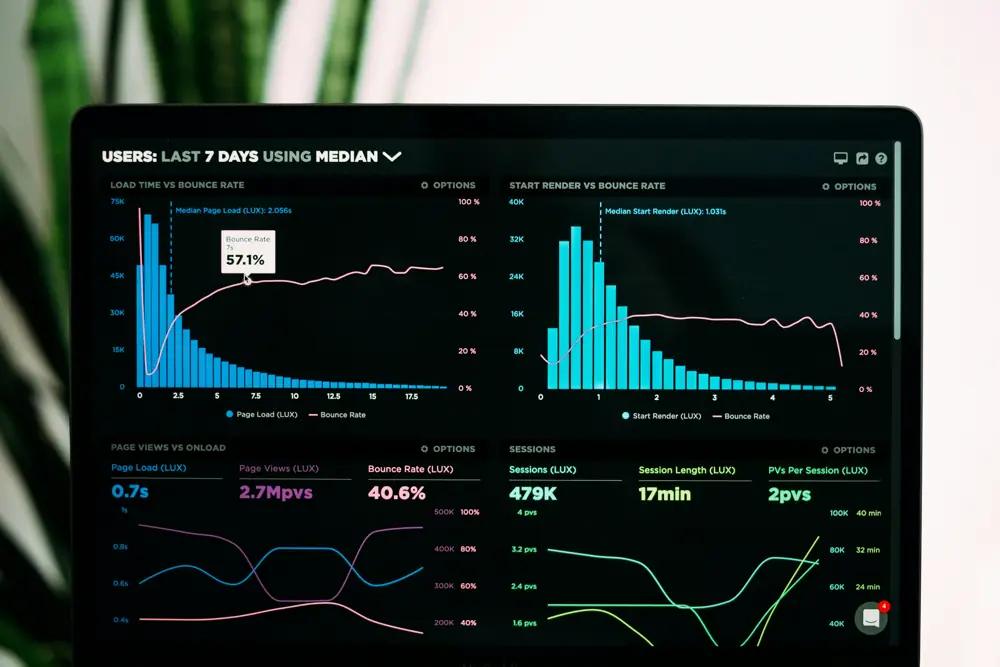
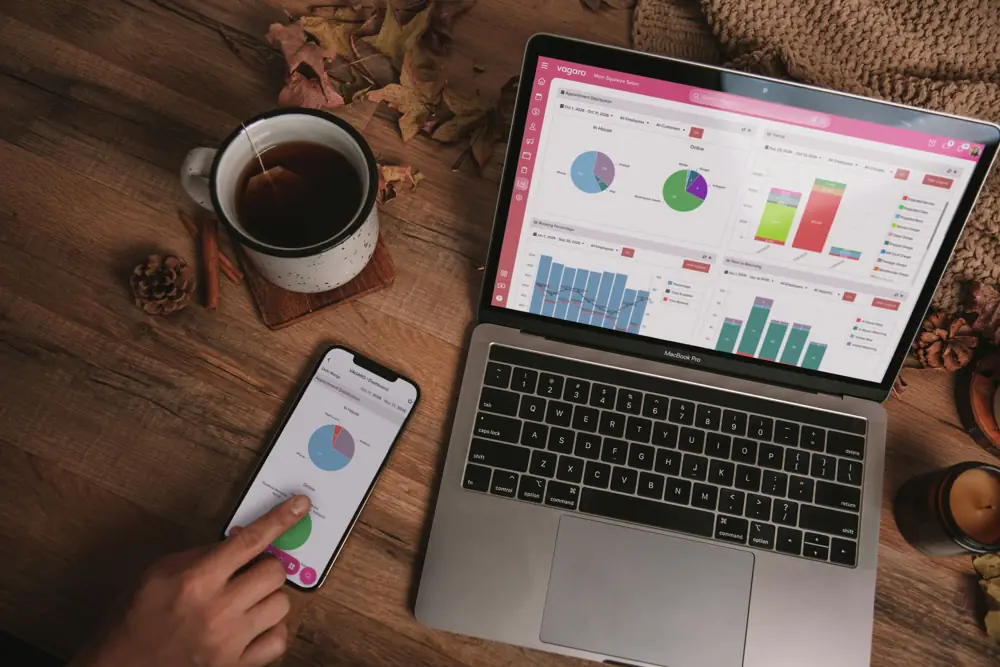
Most of our work is white label, so client names stay private. These engagements show how our teams deliver inside other companies' release schedules.


Migration and maintenance
Most iOS work is on apps that already exist. Here is how we take over, modernise and care for them.
App migration
Older iOS apps get harder to update with every iOS release. We move them to current tools in small steps, so users never see a big bang release.
You get a written migration plan with order of work and risks before we start.
Ask for a migration plan →Maintenance and support
Apple ships a major iOS release every year and changes App Store rules often. A care plan keeps your app updated, stable and approved.
Care plans are priced to your app size and the response times you need.
See maintenance and support →Client reviews
What clients say about working with our engineers, plus the terms that come with every engagement.
Outsourcing our SEO to Javixor Labs was the best decision we made this year. Their team feels like a true extension of our in-house marketing department.
Industries
Each industry has its own rules, users and Apple features that matter. These are the ones we build for most often.
Patient, fitness and care apps that read HealthKit data safely and respect strict privacy rules.
Secure apps with Face ID login, encrypted storage and the audit trails regulators expect.
Fast shopping apps with one tap checkout, loyalty widgets and order tracking on the Lock Screen.
Apps for drivers and warehouse teams with scanning, offline data and live location.
Companion apps that pair over Bluetooth, update firmware and control devices from the Home app.
Mobile versions of your platform with single sign on, device management and role based access.
Learning apps for iPad classrooms and phones, with offline lessons and progress tracking.
Streaming, sports and content apps on iPhone and Apple TV, with picture in picture and AirPlay.
Technology
Tools and technologies we use. Apple's own tools come first, with proven open source where it helps. Your app stays easy to hire for and easy to hand over.
iOS app development guide
Straight answers to the questions buyers ask us most, whether you are a founder with a first app or an enterprise planning the next one.
Choose native iOS when the app depends on Apple features, top performance or a premium feel. Choose cross platform when you need iPhone and Android quickly from one budget and the app is mostly forms and lists.
Native apps are written in Swift for Apple devices only. They get new iOS features on day one, run smoothly on every iPhone and iPad, and feel exactly like the rest of the system. Cross platform tools such as Flutter and React Native share one codebase across iOS and Android, which saves money early but can add work when you need deep Apple features like widgets, Live Activities, HealthKit or Apple Watch.
| Question | Native iOS | Cross platform |
|---|---|---|
| Apple features | Full access on day one | Often needs native add ons |
| Performance | Best possible | Good for most apps |
| Android version | Separate build | Shared codebase |
| Best fit | Consumer, health, fintech, device apps | Internal tools, content and booking apps |
Not sure? We will tell you honestly in a consulting call. We build both, so we have no reason to push one. See our Flutter and Android services if you need more than iOS.
A focused first version usually takes around three to six months from discovery to App Store launch. Simple apps can be faster and complex enterprise or regulated apps take longer.
The timeline depends on how many screens and user roles the app has, how much backend work is needed, and how many outside systems it connects to. Design typically runs a few weeks ahead of development, and testing runs alongside every sprint rather than at the end. Apple's own review step is usually quick, but rejections add days, which is why we prepare every submission against the guidelines.
The fastest route to launch is a tight first release. We help you pick the features that prove the idea and save the rest for updates, which also gives you real user data before you spend more.
Cost follows team time. The number of features, the design depth, backend work, integrations and compliance needs set how many weeks of design, engineering and QA your app needs.
We price in USD with a written estimate after discovery, either as a fixed scope project or a monthly dedicated team. You see the cost before you commit, with no surprises later.
You need a clear goal for the app, someone who can make product decisions, and an Apple Developer Program account in your company's name. We can help with everything else.
The Apple Developer Program costs 99 US dollars a year and lets you publish to the App Store. We recommend enrolling as an organisation, so the app and its reviews belong to your business rather than to a person or a vendor. Organisation enrolment needs a DUNS number, which can take a few days to arrive, so it is worth starting early.
Bring whatever you already have: sketches, a competitor you admire, an existing Android app or just a problem your customers face. In the first call we turn that into a scope, a plan and a price.
Related guides: Mobile app development process · App development cost guide
Questions
What founders, product owners and agencies ask before starting an iOS project with us.
An iOS app development company plans, designs, builds, tests and launches apps for Apple devices, then maintains them after launch. Javixor Labs covers the full journey, from consulting and UI design to Swift development, QA, App Store submission and ongoing support.
Both. For iOS we build native apps in Swift and SwiftUI, which give the best performance and full access to Apple features. If you also need Android from one codebase, we build in Flutter or React Native and will tell you honestly which fits your app.
A focused first version usually takes around three to six months from discovery to launch. Simple apps can be faster, and complex or regulated apps take longer. You get a timeline in writing after the discovery stage.
Ballpark: $9,000 to $21,000 for a simple app, $32,500 to $79,000 for a mid complexity app and $106,000 to $182,500 for a complex app. Cost depends on features, design depth, backend work, integrations and compliance needs. We price in USD as a fixed scope project or a monthly dedicated team, and you get a written estimate before you commit. These are ballpark figures. Your final cost is confirmed after the proposal discussion. Try the cost calculator.
Yes. We prepare the listing, screenshots, privacy details and reviewer notes, then submit through your own App Store Connect account. The app and its reviews stay in your company name.
We read the rejection notes, fix the issue or reply to the reviewer, and resubmit. Because we check every build against Apple's App Review Guidelines before submission, rejections are rare and usually quick to resolve.
Yes. We start with a code audit, set up builds and monitoring, fix the most urgent crashes, and then continue development. We can also move older Objective-C or UIKit code to Swift and SwiftUI step by step.
Yes. We build iOS apps for agencies under the agency's own brand, with NDAs in place before the first call. Your client deals with your agency and never sees our name.
You do. Code lives in your repositories, the app sits in your Apple Developer account, and the contract assigns all intellectual property to you from the start.
Yes. Our maintenance plans cover testing against each new iOS version, crash fixes, SDK and privacy updates, and a regular release of small improvements.
Related services
Tell us about your idea or your current app. A delivery lead replies with a plan, a timeline and a written estimate.
We use cookies to measure visits and improve this site. Choose what you allow. Cookie policy