
Case Study
London Digital Agency
Delivering a client facing fintech dashboard for a London digital agency under the agency's own brand. Our team planned, built and tested the web app with the agency and handed it over three weeks ahead of the agreed date.
Representative engagement. White label and partner work is confidential, so client names are withheld and some technical details describe how this type of project runs.
Get Started- Industry
- Fintech and Financial Services
- Business Type
- B2B Agency, White Label
- Services
- Web Application Development, White Label Development, Hire Dedicated Teams
- Technology
- React, TypeScript, Node.js, PostgreSQL, Chart.js, AWS, GitHub Actions
About the Client
The client is a digital agency in London that designs and builds products for financial services firms. It had won a project to build a customer facing dashboard for a fintech client, with a firm launch date tied to the end client's own product announcement.
The agency had the design team and the client relationship, but its developers were committed to other projects. It needed engineers who could pick up its designs, work inside its process and deliver under its name, without the end client ever dealing with a second supplier.
For the agency, this was also a test of a new way of working. It wanted to see whether a white label partner could protect its client relationship while adding real delivery capacity.
Business Problem
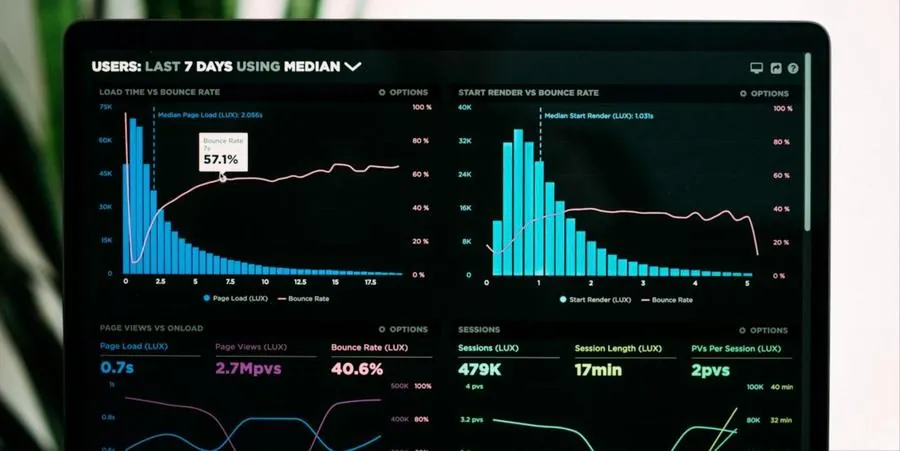
The agency had won the work and finished the designs. Turning them into a secure, accurate product on time was the hard part. These were the issues it brought to us.
- The agency had a fixed launch date and not enough free developers to meet it.
- The end client expected the agency's own team to deliver, with no outside names involved.
- Financial data had to be shown clearly, accurately and securely.
- Designs were ready, but they needed to become reusable components quickly.
- The dashboard had to work well on desktop and mobile screens.
- Several data sources had to feed one consistent view of each customer's account.
- The agency needed clear daily visibility of progress to report to its client.
- Security and access controls had to meet the end client's review.
- Testing had to be thorough without squeezing the build window.
- The agency wanted the code to be easy for its own team to maintain after launch.
The Challenges We Faced
Fixed Deadline
The launch date was set by the end client's announcement and could not move. Every day of delay would have pushed into the end client's public announcement.
Brand Discretion
All contact with the end client had to go through the agency, under its name. The team's work had to look and feel like it came from the agency.
Data Accuracy
Balances, transactions and charts had to match source systems exactly. Even a small mismatch in a balance would damage trust in the product.
Design Fidelity
The build had to match the agency's designs closely on every screen size. Spacing, type and charts had to match the agency's designs on every screen.
Secure Access
Login, roles and data access needed to pass a financial services security review. Access rules and logs had to be ready before the end client's security team looked at them.
Time Zone Fit
Working hours had to overlap with London for reviews and quick decisions. Questions from designers and account managers needed answers the same day.
Clear Reporting
The agency needed simple daily updates to share with its client. Account managers needed simple updates they could forward without editing.
Clean Handover
Code and documents had to suit the agency's own team after launch. The agency's developers had to be able to pick up the code without a long learning curve.
Solution We Provide
Account overview
IllustrationWhite Label Web App Delivery
Javixor Labs set up a small delivery team with frontend and backend developers, a QA engineer and a delivery lead. The team worked under the agency's name, joined its project channels and kept at least four hours of daily overlap with London.
Work began with a short planning sprint. The team broke the agency's designs into a shared component library, agreed the data model for accounts and transactions, and set a delivery plan with weekly demos the agency could show its client.
Frontend engineers built the dashboard in React and TypeScript with responsive layouts, accessible charts and clear number formatting for currencies and dates. Backend engineers built a Node.js API that brought the different data sources together into one consistent account view, with role based access and audit logging for every sensitive action.
QA ran alongside development rather than at the end. Automated checks compared dashboard figures against source data, and each sprint closed with a full test pass, so problems were fixed while the code was fresh instead of piling up before launch.
The agency received a short written update each day and a working demo each week. Because testing and review never fell behind, the dashboard was ready three weeks ahead of the agreed date, giving the agency and its client extra time for user acceptance testing and launch preparation. The handover pack covered architecture, setup and run books for the agency's own developers.
The agency stayed the single point of contact for its client throughout. Javixor Labs engineers joined internal reviews but never client calls unless invited, and every document, demo and release note went out under the agency's name and template.
Security was treated as part of the build, not a final check. The team followed the end client's access and data handling rules from the first sprint, ran dependency and code scans in the pipeline, and prepared a security pack the agency could share with the end client's review team before launch.
Get StartedImpact
Illustration of the reporting view. Client screens stay private.
The agency delivered a polished fintech dashboard to its client three weeks early, under its own brand, and gained extra time for acceptance testing before launch. Its team now owns a clean, documented codebase it can extend. The project gave the agency confidence to take on larger fintech work, knowing it can add delivery capacity when needed without risking its client relationships. Its developers took over the codebase in days rather than weeks, thanks to the shared components and handover pack.
Engineering Highlights
Early, On Brand and Easy to Own
Shared components, continuous testing and daily reporting kept the build ahead of plan. Planning, testing and reporting ran in parallel with the build, which is what moved delivery three weeks ahead of the plan.