Case Study
Dubai Technology Consultancy
Adding firmware and IoT engineers to a Dubai technology consultancy's own team, so it could design, test and roll out more than 40 connected devices for its client without slowing other projects.
Representative engagement. White label and partner work is confidential, so client names are withheld and some technical details describe how this type of project runs.
Get Started- Industry
- Technology Consulting and IoT
- Business Type
- B2B Consultancy
- Services
- Hire Firmware Engineers, IoT Engineering, Staff Augmentation
- Technology
- C, C++, ESP32, FreeRTOS, MQTT, AWS IoT Core, Python, Node.js, Grafana
About the Client
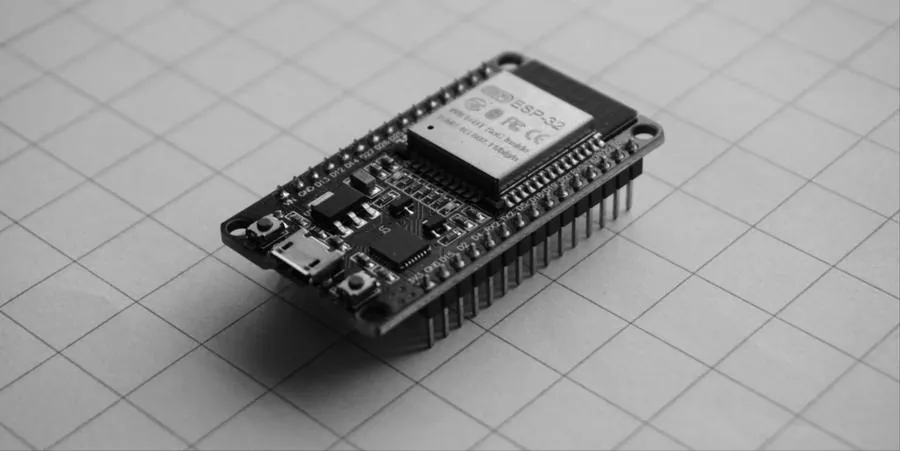
The client is a technology consultancy in Dubai that designs connected systems for businesses across the UAE. It had taken on a project to deploy a network of connected devices for one of its clients, covering sensors, gateways and a cloud dashboard.
The consultancy had strong solution architects and project managers, but it lacked enough hands on firmware and IoT engineers to build, test and roll out devices at the pace its client wanted. It chose to extend its own team with engineers who would work under its direction rather than outsource the whole project.
Keeping the work inside its own team mattered to the consultancy. It wanted to own the design, the client relationship and the final product, with extra engineers working under its direction.
Business Problem
The consultancy had designed the solution and won the client's trust. It needed more engineering hands to build and deploy it. These were the issues it raised at the start.
- The consultancy did not have enough firmware engineers in house for the project timeline.
- Devices had to be designed, tested and installed across several client locations.
- Sensors needed to report reliably over WiFi in buildings with patchy coverage.
- Firmware had to be updatable remotely after installation.
- The cloud side needed to collect, store and display device data clearly.
- Field installation teams needed simple steps to set up each device.
- Device health had to be visible so faulty units could be found quickly.
- Security for device connections had to satisfy the end client's IT team.
- The consultancy wanted engineers who would follow its own processes and tools.
- It also needed the option to scale the team down after rollout.
The Challenges We Faced
Reliable Connectivity
Devices had to reconnect and resend data after WiFi drops without losing readings. Some rooms had weak signal, and devices had to recover without anyone on site.
Remote Updates
Over the air updates had to be safe, with a fallback if an update failed. A failed update could leave a device offline in a hard to reach place.
Power and Heat
Hardware ran in warm environments and had to stay stable through long duty cycles. Long running devices in warm rooms needed careful power and memory use.
Secure Links
Every device needed its own credentials and encrypted connection to the cloud. Shared passwords across devices were not acceptable to the client's IT team.
Simple Setup
Installers needed a quick provisioning flow that did not require engineers on site. Installers were not engineers, so setup had to be quick and hard to get wrong.
Fleet Visibility
Operators had to see device status, signal and errors at a glance. With many devices on site, problems had to be easy to spot and locate.
Team Fit
Engineers had to work inside the consultancy's sprint process and report to its leads. Engineers had to fit into the consultancy's way of working, not introduce a new one.
Flexible Scale
The team size had to change as the project moved from build to rollout to support. Paying for a full team after rollout made no sense, so scale had to follow the project.
Solution We Provide
Fleet status
IllustrationFirmware and IoT Team Extension
Javixor Labs added firmware and IoT engineers to the consultancy's own delivery team. They reported to the consultancy's technical lead, joined its stand ups and worked in its repositories and project tools, with daily overlap during UAE business hours.
Firmware engineers built the device software on ESP32 hardware with FreeRTOS. Readings are stored locally when the network drops and sent in order once the connection returns, so no data is lost in buildings with weak coverage. A watchdog and health checks restart stuck tasks before they cause a failure.
Each device received its own certificate and connects to AWS IoT Core over MQTT with encryption. Over the air updates use signed images and a fallback slot, so a failed update returns the device to its last working version automatically.
For installers, the team built a simple provisioning flow using a phone and a QR code on each unit, which links the device to its site and room in a few steps. On the cloud side, a Node.js service stores readings and device events, and Grafana dashboards show device status, signal strength and alerts for the whole fleet.
With firmware, provisioning and monitoring in place, the consultancy rolled out more than 40 devices across its client's sites. After rollout, the team scaled down to a smaller support group, as the consultancy had planned from the start.
The engineers worked from the consultancy's backlog and joined its client demos as part of its team. Firmware, provisioning steps and dashboards were documented in the consultancy's own templates, so its staff can run and extend the system without outside help.
Testing ran on a bench of real devices before each field batch. Every unit was flashed, provisioned and soak tested for connection drops and update recovery, so devices arrived on site ready to work and installers did not have to troubleshoot.
Get StartedImpact
Illustration of the reporting view. Client screens stay private.
The consultancy delivered its IoT project with more than 40 devices rolled out, without pulling its own staff off other work. It now has reusable firmware, a provisioning flow and fleet dashboards it can use for future clients. The consultancy can now offer IoT projects with more confidence, knowing it can scale its engineering team up or down to match each project. New sites can now be fitted out by installers using the same QR flow, and firmware fixes reach the whole fleet over the air without anyone visiting a building. The consultancy reuses the same firmware base and dashboards as a starting point for every new client project.
Engineering Highlights
Connected Devices That Stay Connected
Resilient firmware, secure links and simple provisioning made rollout fast and safe. Each part was designed for rooms with weak signal, installers with little time and a fleet that keeps growing.